

- By Nano Basmati RIce
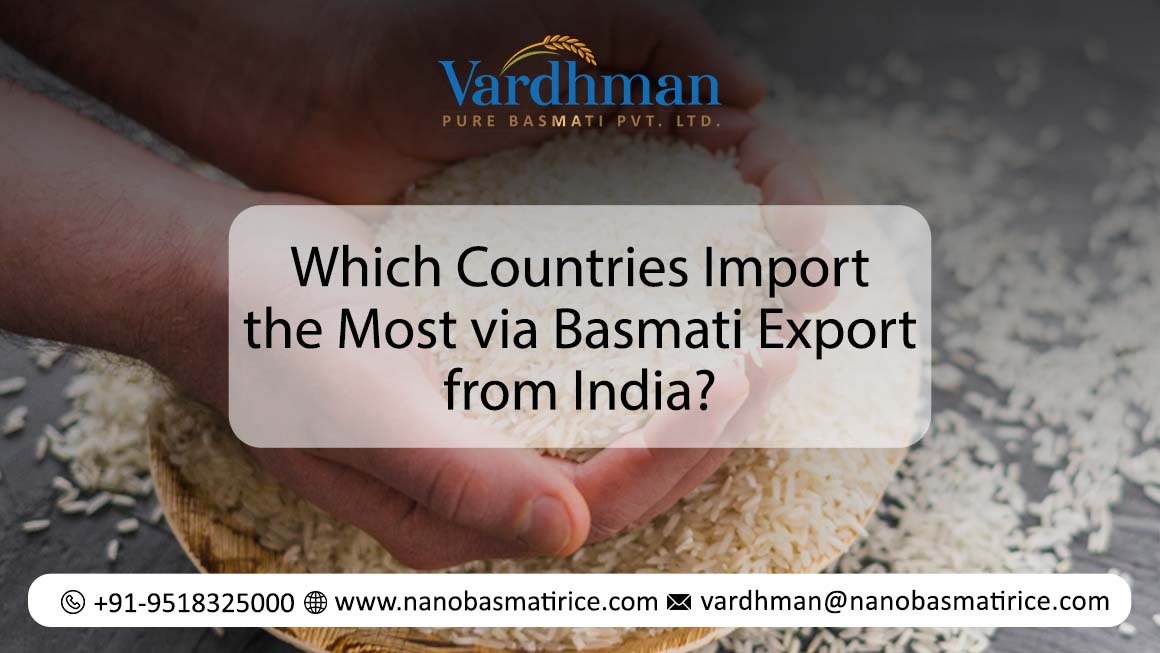
The world cuisine cannot be complete without the star of grains: Basmati rice. Indian Basmati with its unique aroma, thin grains, and fluffy texture is more than a staple, it is a representation of the tradition and the quality of the highest order. With the highest production globally, India is in charge of more than 70 percent of the world production and Basmati Export from India has become a key pillar of global food trade and luxury that adorns dinner tables in Riyadh to London.
This blog will discuss the reasons why India has been the uncontested leader in the sector, examine the current trade figures to determine which countries are the largest importers, and explain the quality standards that are so stringent, that they make an excellent exporter.
Why India Rules the World Basmati Stage?
Not only is India leading in the agricultural industry, but it is also leading in terms of a geographical advantage. The Indo-Gangetic plains situated at the feet of Himalayas offer the ideal mixture of alluvial soil, water supplied by glaciers, and a particular climate that make Basmati take its typical aroma.
Basmati Export from India has hit new peaks in the 2025-26 marketing year. On the strength of record production of almost 150 million tonnes of rice in general, the Basmati segment in particular shot to a record of 6.4 million metric tonnes in volume. This has been augmented by an advanced supply chain and high-quality standard defined by APEDA so that all grains are of international food safety standards. Having more than 43,000 certificates that are granted to the exporters every year, the Indian export system is a finely tuned engine that is designed to be consistent and excellent.
The Leading Importing Countries: Who is the biggest consumer?
Premium long-grain rice has an international demand, although there are certain areas that prove to be the main locations of the biggest rice exporter in India
| Country | Primary Reason for Import | Market Significance |
| Saudi Arabia | Largest consumer of long-grain Sella rice for traditional dishes like Kabsa | Leads in total import value (Approx. $1.2B+). |
| Iran | Persian culinary preference of aromatic Basmati is high domestically | Large volume partner even when trade is complicated |
| Iraq | Rapidly growing demand for high-quality food staples | Significant year-on-year growth in market share |
| UAE | Serves as a major re-export hub and caters to a large expatriate population | Consistent demand for premium retail packs |
| United Kingdom | High demand in the culinary industry and healthy, gluten free grains | Leading European destination for Indian Basmati |
Regional Insights
• The Middle East: The region is considered the epicenter of the trade due to the strong cultural inclinations where Basmati is the foundation ingredient of biryanis and pilafs.
• Europe & North America: Markets such as the USA and UK are becoming more conscious of the health attributes of Basmati e.g. low glycemic index and natural ageing effect.

Defining Excellence in Basmati Export
Basmati rice manufacturers in India has to follow a "Gold Standard" of quality in order to keep the reputation of the Indian rice trade so high. To compete on the highest level, a supplier has to have:
1. Authentic Origin: Rice that is produced in the GI-tagged fields has the true Basmati flavor.
2. Natural Aging: Premium grains take 12-24 months to age in order to add aroma. This is a quality that Indian Basmati rice manufacturers use for perfect grains.
3. Advanced Milling: This is a method that makes use of the latest technology so that the 100% purity and zero breakage is achieved as is the case in 1401 Steam Basmati Rice.
4. Global Certifications: The ISO and HACCP standards are strictly adhered to fulfill the high safety standards of the international markets.
Conclusion
The fact that a single grain could travel across the fertile lands of North India, and end up on a fancy menu in Dubai is an affirmation of the agricultural potential in India. With Basmati Export from India constantly achieving new levels, it is about purity, length and the distinct scent. Nano Basmati Rice has made a name for itself in the premium Basmati rice industry because of the brand’s reputation for rich aroma, delicious taste, and quality grains.
Frequently Asked Question
Ans: Saudi Arabia is currently the largest importer by both volume and value.
Ans: Because of the distinctive soil and climate of Himalayan foothills, not to be found anywhere.
Ans: Yes, gluten-free, low-fat and with a lower glycemic index than the majority of white rice.
Ans: Geographical Indication tag guarantees that the rice is grown in the traditional areas of India in a way that is genuine.
Ans: Much of the world supply is supplied by India, which exports more than 6 million metric tonnes a year.