
- By Nano Basmati RIce
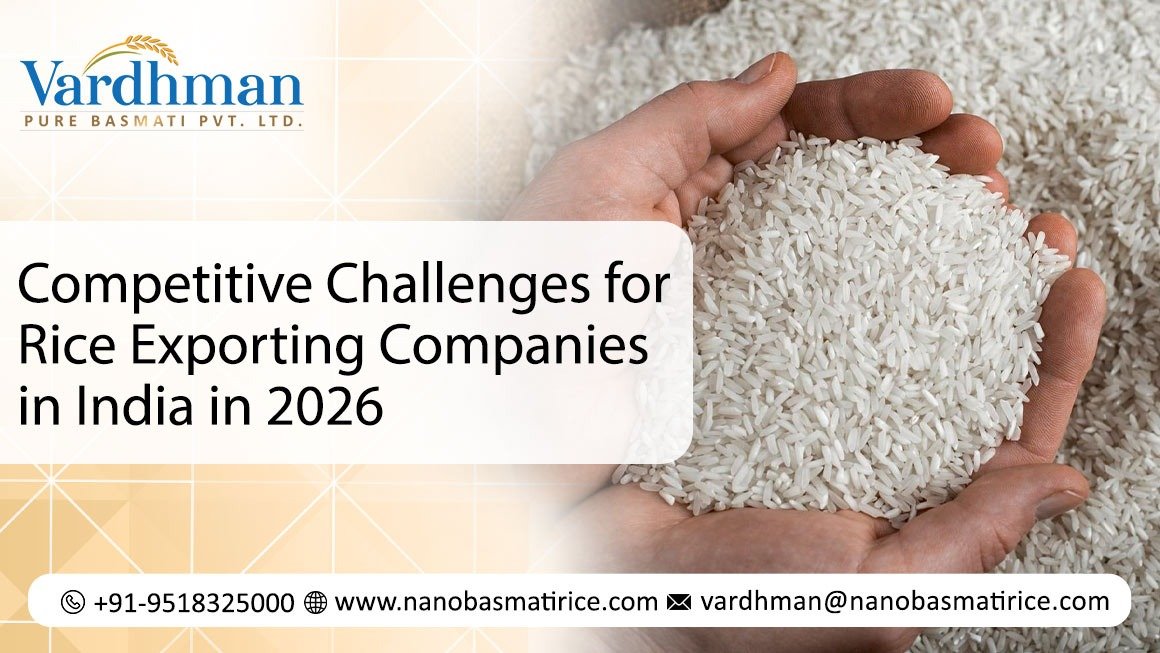
India has been dominating the world rice market since long and the country provides high quality grains to other countries in Asia, Middle East, Europe and North America. The country is famous in terms of aromatic basmati and non-basmati, which is rich in nutrients and it remain helpful in the global food security. With the changing export environment, the Rice Exporting Companies in India have to blend with new market requirements, complex regulations and increased competition.
The industry will experience new challenges in 2026 and will need to plan something to adopt new technologies and practice sustainability to stay on the top of global markets.
The Role of rice Exporting Companies in India
Rice Exporting Companies are very important in connecting farmers in India and consumers worldwide. Their presence not only enhances the Indian agricultural economy, but also its image as a trusted world supplier exporting quality and love in every grain.
Do you know? India is the leading rice exporter in the world with more than 40% of the world consuming its exports.
This is an outstanding contribution that brings out the significance of Indian exporters in nourishing millions of people worldwide and maintaining food chains all over the world.
Competitive Challenges 2026
1. International Competition Growing In Export Markets.
The global rice market is getting more competitive and Thailand, Vietnam, Pakistan and Myanmar are trying to increase their presence in the global market.
Indian exporters have to concentrate on:
• Having a high standard of grain quality.
• Improving brand awareness in the world.
• Providing competitive prices.
2. Changing Government Policies and Trading Regulations.
The profitability of rice exporters is greatly affected by export restrictions, prices and the fluctuating government policies.
The regulatory issues are:
• Export taxes and changes in policy.
• Buyer country restrictions on imports.
• Food safety standards are met as per international standards.
3. Supply Chain Interruptions and increased Logistics expenses.
Logistics is a very important aspect in the export of rice.
Challenges that may arise in the logistics are:
• High container and shipping costs.
• Port delays and customs clearance delays.
• Lack of storage and warehousing facilities.
4. Quality Control and High international standards.
The international consumers are requiring uniform quality, hygienic processing and strictness in enforcing the food safety laws.
Exporters must comply with:
• International food hygiene and safety standards.
• High milling and grade procedures.
• International standards and certifications.
5. Changing currency and expense instability.
Rise and fall in the rates have a great influence on the profitability of exports. The fluctuating currency may have an impact on pricing policies and the competitiveness on the international front.
To control financial risks, exporters tend to:
• Keep a track of foreign exchange.
• Diversify export markets.
• Improved operational costs.
Strategies for Successful Business
Rice exporters need to enhance their innovative approaches that will help in leading the sustainability and expansion of order to counter the competitive pressures that they face.
| Challenge | Strategic Solution |
| International Competition | Concentrate on high quality and branding |
| Regulatory Changes | Enhance compliance and certifications |
| Quality Standards | Invest in new milling and testing equipment |
| Logistics Costs | Make supply chains and operations digital |
Final Thoughts
With the continuously changing rice industry, the Rice Exporting Companies in India have to find their approach in a changing environment with both challenges and opportunities in production. Regulatory difficulties and competition are just part of the regulatory challenges in 2026, which will require agility, innovation and vision.
Through quality, compliance and customer satisfaction, businesses are able to build their international position and maintain their long term growth. The success of trusted exporters such as Nano Basmati Rice is reflected in the quality services they offer their customers by ensuring that their products are of high quality and meet the international rice standards, which is one of the best reason for working with top rice exporting companies.
Frequently Asked Questions
Ans: International consumers are usually demand basmati rice and high quality long-grain varieties.
Ans: A good branding will create credibility, world awareness, and long-term purchasers
Ans: They tend to demand quality and safety certifications which assure adherence to international standards.
Ans: Through making sure there are reliable deliveries, quality and clear communication.